
Concrete Polishing in Boise, ID
Transform dull, pitted concrete into a high-gloss, durable surface. Serving homes, garages, and commercial spaces across the Treasure Valley.
Get a Free QuoteBuilt for Boise Floors
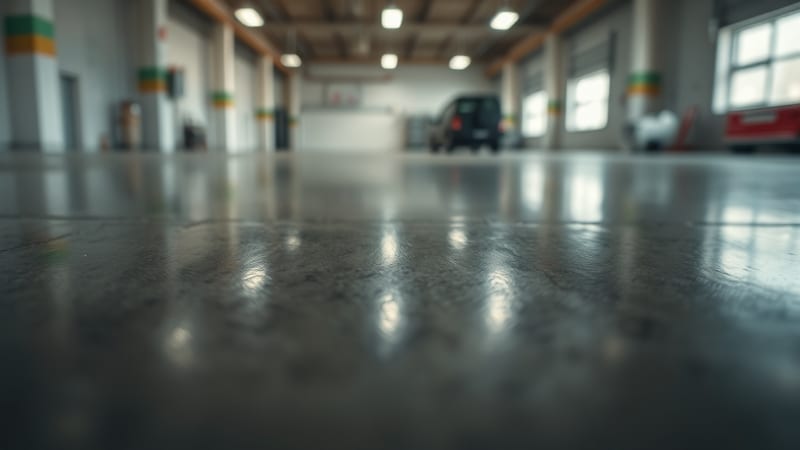
Boise's freeze-thaw cycles and high-desert dust are tough on bare concrete. Mechanically polished concrete seals the surface from the inside out — no topical coating to peel or bubble. The result is a dense, light-reflective floor that handles foot traffic, forklift loads, and daily cleaning with equal ease. Whether you're upgrading a Downtown loft, a Nampa warehouse, or a Meridian garage, polished concrete outlasts paint and outperforms most coatings at a lower long-term cost.
How Concrete Polishing Works
Surface Assessment
We inspect the slab for cracks, control joints, and hardness variations. Any spalling or pitting is repaired before grinding begins so the finished floor is level and uniform.
Coarse Diamond Grinding
Industrial diamond tooling removes surface laitance, old coatings, and high spots. This stage opens the concrete and establishes a flat plane ready for progressive refinement.
Progressive Polishing Passes
We work through a series of finer diamond grits — typically 50, 100, 200, 400, and 800 — each pass tightening pores and increasing reflectivity until the desired sheen level is reached.
Densifier Application
A lithium or sodium silicate densifier is applied between passes. It chemically reacts with calcium hydroxide in the slab to create a harder, denser surface that resists dusting and moisture.
Final Polish and Guard Coat
The floor is brought to your chosen finish — satin, semi-gloss, or high-gloss — then sealed with a penetrating guard coat for stain resistance and long-term durability.
Concrete Polishing Questions — Answered
How long does concrete polishing take in Boise?
Most residential garage slabs are completed in one to two days. Larger commercial floors in areas like the Boise Airport district or Eagle industrial parks may take three to five days depending on square footage and existing surface condition.
Can existing cracked or stained concrete be polished?
Yes. Minor cracks are filled with color-matched epoxy or polyurea before polishing. Oil stains and surface contamination are addressed during the grinding stages. Severely damaged slabs may need partial resurfacing first, which we assess on-site.
How does polished concrete compare to epoxy coating?
Polished concrete is a mechanical process — there's no film layer to delaminate. Epoxy coatings add color and chemical resistance quickly, while polishing delivers a permanent, low-maintenance surface with a natural stone look. Many Boise clients combine both: polished concrete in showrooms, epoxy in chemical-heavy areas.
Is polished concrete slippery when wet?
A high-gloss polish can be slick when wet. We apply slip-resistant additives to guard coats for commercial kitchens, retail aisles, or any Boise space that sees water or spills regularly.
What maintenance does polished concrete need?
Daily dry mopping or auto-scrubbing removes grit that dulls the surface. A neutral pH cleaner handles spills. A re-application of guard coat every one to three years keeps the sheen and protection intact — far simpler than repainting or re-coating.
Get Your Free Concrete Polishing Quote in Boise
Tell us about your slab — size, current condition, and finish goal — and we'll put together a straightforward quote for your Boise property. No pressure, no obligation.