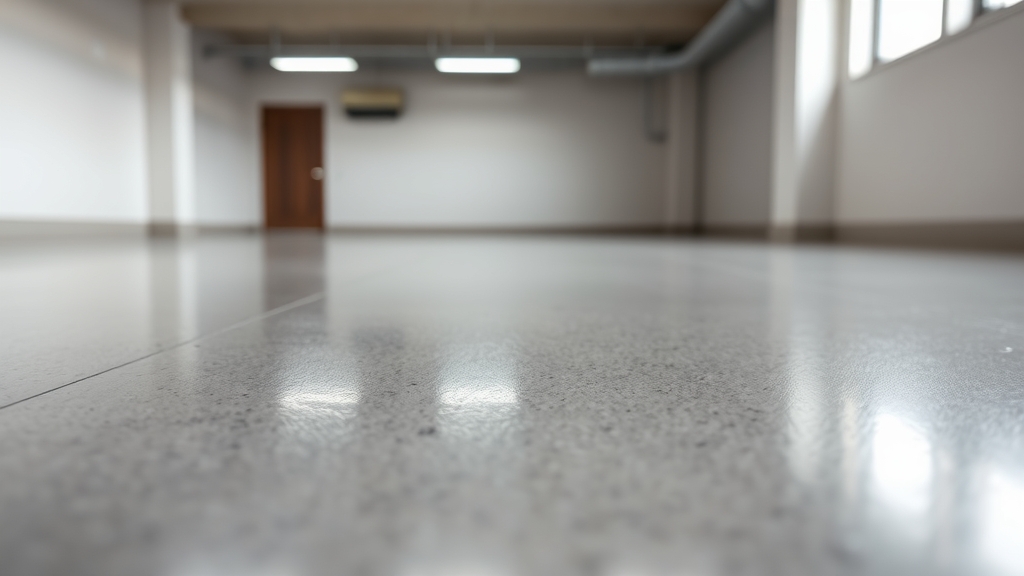
Basement Epoxy Flooring in Boise, ID
Turn your unfinished Boise basement into a durable, moisture-resistant space with a professional epoxy coating built to last for years.
Get a Free QuoteWhy Epoxy Is the Right Choice for Boise Basements
Boise basements deal with seasonal temperature swings, occasional moisture intrusion, and bare concrete that collects dust and stains. A properly applied epoxy coating seals the slab, resists water vapor, and creates a surface that's easy to clean and genuinely hard to damage. Whether you're converting the space into a home gym, workshop, recreation room, or additional storage, epoxy gives you a finished look without the cost or complexity of tile or hardwood. Our coatings are 100% solids or high-solids epoxy — not the thin paint-on kits sold at hardware stores — so the final surface bonds deeply to the concrete and holds up under heavy foot traffic, rolled equipment, and moisture cycles common in the Treasure Valley.
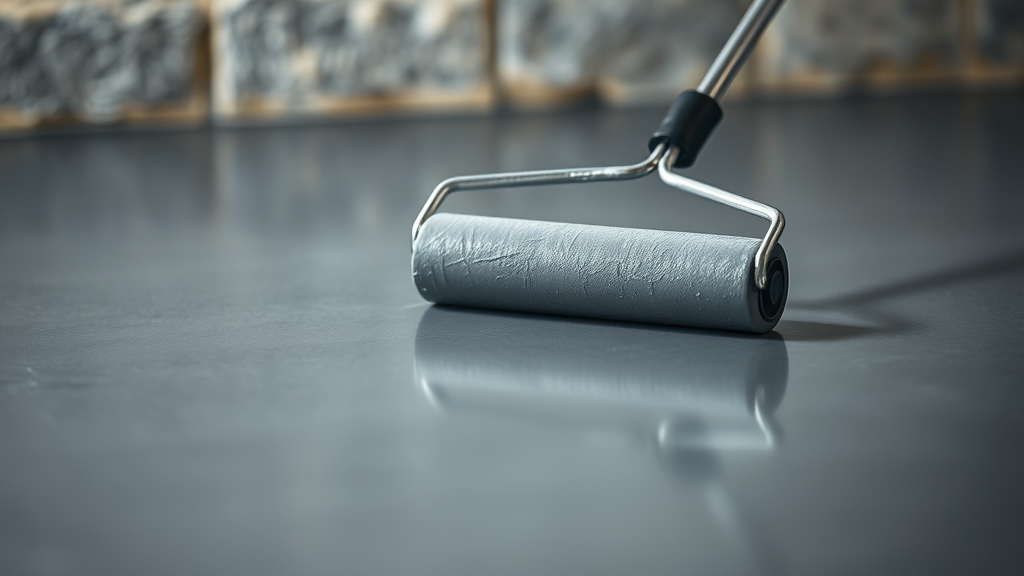
Our Basement Epoxy Installation Process
Concrete Assessment
We inspect your basement slab for cracks, moisture readings, previous coatings, and surface contaminants. Any issues that could compromise adhesion are identified before work begins.
Surface Preparation
The slab is diamond-ground or shot-blasted to open the concrete profile. Cracks and spalls are filled with polyurea or epoxy filler so the finished surface is level and uniform.
Primer Coat
A penetrating epoxy primer is rolled into the prepared slab. This locks out residual moisture vapor and creates a strong mechanical bond for the build coats above.
Base Coat & Decorative Layer
The main epoxy build coat is applied in your chosen color. Decorative flake or quartz can be broadcast at this stage for texture, slip resistance, and a finished aesthetic.
Topcoat Sealer
A clear polyaspartic or urethane topcoat is applied as the final layer. It resists UV yellowing, chemical spills, abrasion, and makes day-to-day cleaning a quick sweep or mop.
Basement Epoxy Flooring — Common Questions
Can epoxy be applied over a damp basement floor?
Moisture is the number-one cause of epoxy failure. We test your slab with a calcium chloride or relative humidity test before quoting. If moisture vapor transmission is too high, a moisture-mitigation primer is applied first. We will not skip this step.
How long does the basement need to be off-limits after installation?
Light foot traffic is typically safe after 24 hours. Heavy use, furniture, and equipment should wait 72 hours. Full cure reaches maximum hardness at around 7 days, though the floor is fully functional well before that.
Will epoxy crack if my basement slab has existing cracks?
Surface cracks are filled and stabilized during prep. Epoxy itself is semi-rigid, so it won't bridge actively moving structural cracks on its own — those require additional repair. We assess each crack during the initial inspection and explain your options clearly.
How does epoxy compare to basement floor paint from a hardware store?
Hardware-store floor paint is typically water-based with a low solids content, meaning the dry film is very thin. Professional epoxy systems use high-solids formulas applied in multiple layers, resulting in a coating that is 10 to 20 times thicker and far more durable and adhesion-resistant.
How much does basement epoxy flooring cost in Boise?
Pricing depends on square footage, slab condition, and the coating system chosen. Most Boise basement projects fall in a range that's competitive with quality tile installation, with the advantage of a faster install and lower long-term maintenance cost. Contact us for a free on-site quote.
Get a Free Basement Epoxy Quote in Boise
Ready to transform your Boise basement? Fill out the form below or give us a call. We'll schedule a free on-site assessment and walk you through your coating options with no pressure and no obligation.