Why Epoxy Floors Peel in Boise (And How to Stop It)
Epoxy floors peel when prep is skipped or moisture is ignored. Discover the concrete testing and installation practices that guarantee durability in Boise's freeze-thaw winters.
Your shiny new epoxy floor shouldn't peel by spring.
Epoxy floors peel because of two fixable problems: bad surface prep and undetected moisture. Neither is random bad luck. Both are predictable, and both are preventable before a single drop of epoxy hits your concrete.
Roughly 80% of epoxy failures trace back to inadequate surface preparation - not the coating itself. The other major culprit is moisture vapor pushing up through the slab, especially in Boise's freeze-thaw winters and wide humidity swings.
The fix isn't complicated. It requires diamond grinding to a CSP-3 surface profile, moisture vapor testing below 3 lbs per 1,000 sq ft using the ASTM F2170 standard, and climate-controlled curing when temperatures drop.
Skip those steps and your floor starts peeling within a year. Do them right and a properly installed epoxy floor lasts 10 - 20 years.
The rest of this article shows you exactly where failures start - and how to stop them.
Poor prep, not poor epoxy, causes peeling.
Up to 80% of epoxy floor failures trace back to surface preparation errors - not the epoxy product itself. The coating is rarely the villain. The concrete underneath is.
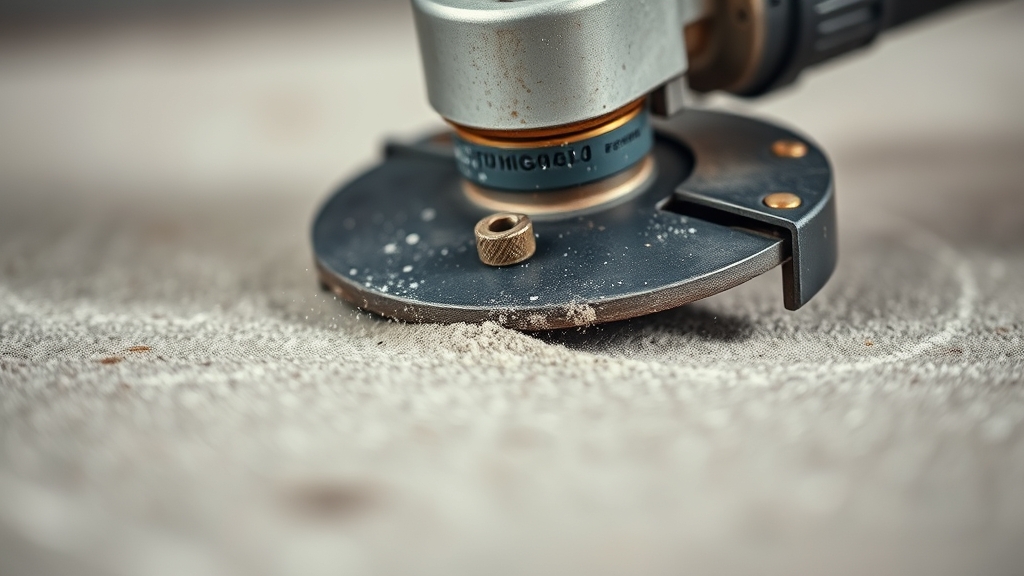
Here is the problem most homeowners never see: before any epoxy touches the floor, a technician should grind the concrete to a CSP-3 surface profile using a diamond grinder. CSP-3 means the surface feels like coarse sandpaper - rough enough for the epoxy to bite into mechanically. Skip that step, or swap it for a light acid etch, and you are bonding to a smooth, contaminated slab. The coating has nowhere to grip.
Degreasing is the other step that gets cut. Garage slabs absorb oil over years, sometimes decades. That oil sits in the concrete's pores. Epoxy applied over contaminated concrete does not fail immediately - it fails 6 to 18 months later when temperature swings work the bond loose. In Boise, where summer highs push past 100°F and garages freeze overnight in January, that thermal cycling accelerates every weak bond you started with.
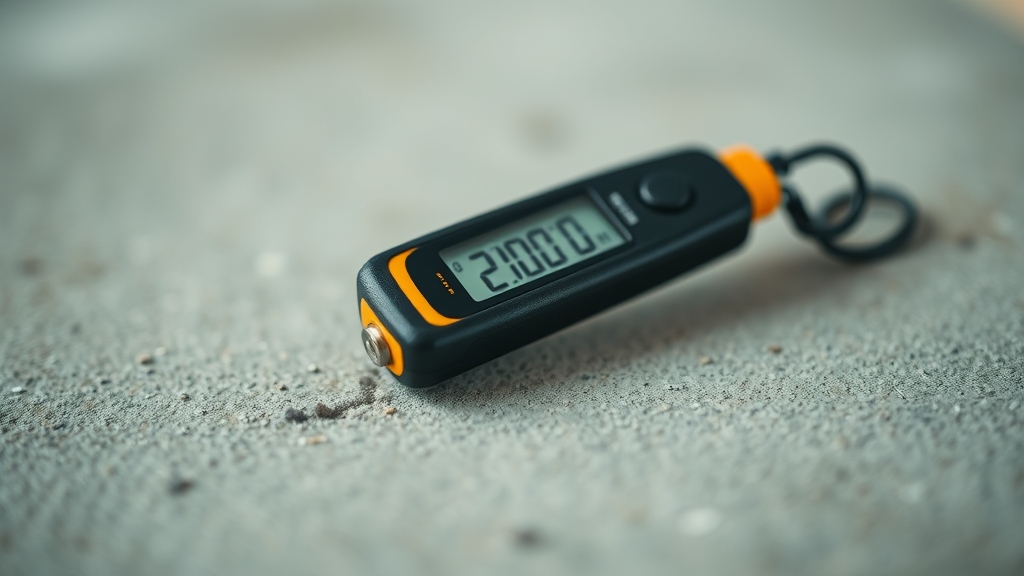
Moisture is the third hidden factor. Concrete releases moisture vapor upward, and if that vapor pressure exceeds 3 lbs per 1,000 sq ft per 24 hours, it pushes epoxy off the slab from below. A proper installation includes ASTM F2170 in-slab moisture testing before any product is mixed. Most DIY kits skip this entirely because the test requires drilling into the slab and waiting 72 hours for an accurate reading.
The takeaway is simple but uncomfortable: you cannot see good prep from bad prep once the epoxy is down. By the time the peeling starts, the decision that caused it was made hours before the first drop was poured.
Moisture rising from below ruins adhesion.
Water is epoxy's worst enemy. Not rain, not spills - water vapor pushing up through the concrete slab from below. You can't see it. You can't feel it. But it's there, and it will lift your epoxy coating off the floor just as surely as bad prep will.
Concrete is porous. Water in the soil beneath your slab is always moving, and vapor pressure drives it upward. When that vapor hits the underside of an epoxy coating, it has nowhere to go. Pressure builds. The bond breaks. What you see on the surface is bubbling, then peeling, then total delamination.
Boise makes this worse.
Spring snowmelt pushes groundwater levels up across the Treasure Valley. Fall brings sustained humidity after a dry summer - the kind of moisture swing that keeps concrete slabs cycling between wet and dry for weeks at a time. A slab that reads dry in August can carry significant vapor load by October. If your epoxy went down during a dry window without proper testing, you're gambling.
The industry standard for this is ASTM F2170 - an in-situ probe test that measures relative humidity inside the slab itself, not just at the surface. A surface reading can fool you. The probe doesn't.
The threshold that matters: moisture vapor emission must stay below 3 lbs per 1,000 sq ft per 24 hours before epoxy is applied. Rose Restoration identifies this moisture vapor threshold as a hard line - go above it and adhesion failure is not a risk, it's a scheduled event. Many DIY applicators skip this test entirely. Most big-box epoxy kits don't even mention it.
If your slab tests high, you have two options.
Wait. Give the slab time to dry out, retest, and apply when conditions are right. This is harder than it sounds in Boise's spring and fall windows, but it works.
Or use a moisture-tolerant epoxy primer - a two-part product specifically formulated to bond to slabs with elevated vapor emission rates. It creates a vapor barrier at the surface rather than fighting the moisture directly. The primer adds cost, but less than ripping out a failed floor.
Peckham Coatings notes that moisture issues are among the primary drivers of epoxy failure in real-world applications - and the fix is almost always about what happened before the first coat went down, not the epoxy product itself.
The professional installation price range of $6 - $12 per sq ft reflects, in part, this diagnostic work. A contractor who skips moisture testing to move faster isn't saving you money. They're deferring the cost of failure onto you.
One thing Boise homeowners often overlook: slabs built on the clay-heavy soils common across Ada County hold moisture longer than sandy or gravel-base slabs. If your home sits on heavy clay, assume your slab runs wet and test accordingly. Don't assume last summer's dry spell changed anything underground.
Vapor comes up. Epoxy lifts. That's the sequence. Test before you coat, and the sequence stops before it starts.

Why moisture testing matters before installation
— Rose Restoration (epoxy diagnostics specialist)
Boise Winters Demand Climate Control During Cure
Temperature is not a background detail. It is the variable that determines whether your epoxy bonds or blisters.
Epoxy is a chemical reaction. That reaction needs heat to proceed correctly. Drop below 50°F during application or curing, and the chemistry slows - sometimes stops entirely. The coating stays tacky, fails to cross-link properly, and peels within months. In Boise, where January lows routinely fall into the 20s, an unheated garage is a failure waiting to happen.
GarageExperts Boise documents exactly this problem for the Treasure Valley. The fix is not patience - it is industrial heating equipment brought to the job site before the first drop of epoxy is mixed.
Professional contractors pre-heat the space for 24 to 48 hours before application begins. That window matters because the concrete slab itself must reach target temperature, not just the air above it. A slab that has been frozen for weeks holds cold deep into its mass. Surface temperature can read acceptable while the substrate remains too cold to accept a proper bond.
Heating continues through application and into the initial curing period - typically the first 24 hours after coating. That sustained environment gives the epoxy time to cross-link fully. Skip that window, and you have a floor that looks finished but is structurally weak.
The thermal challenge cuts both ways. Boise summers push garage temperatures above 90°F, which shortens working time and can cause the epoxy to cure unevenly if applied in direct sun. Climate control in summer means early-morning starts and staged application, not space heaters.
A properly installed epoxy system - one with correct surface preparation, verified moisture levels below 3 lbs per 1,000 sq ft, and climate-controlled curing - lasts 10 to 20 years in residential use. That lifespan evaporates when temperature shortcuts are taken during a Boise winter install.

Surface Grinding Beats Acid Etching for Adhesion
The concrete surface profile - called CSP - is the single most important variable in whether your epoxy stays put.
The Concrete Surface Profile scale runs from 1 to 10, measuring how rough and open the concrete surface is. Most epoxy systems need at least a CSP-3 to bond properly. That means visible texture, open pores, and enough mechanical grip for the coating to lock into.
Acid etching rarely gets you there.
A muriatic acid wash - the approach most DIY kits recommend - typically lands at CSP-1 or CSP-2. The surface looks clean. It might even feel rough to the touch. But under magnification, the pores are still largely closed, and the profile is too shallow for epoxy to grip. That's a recipe for delamination within 1 to 3 years, which is exactly the lifespan you see from most box-store DIY kits.
Diamond grinding is the correct method.
A walk-behind diamond grinder opens the concrete surface mechanically, cutting into the slab to create the CSP-3 profile epoxy actually needs. It removes laitance - that weak surface layer that forms as concrete cures - along with old sealers, adhesive residue, and anything else blocking adhesion. Acid cannot do this. It can only dissolve the surface chemistry; it can't cut physical texture into dense concrete.
For Boise garages specifically, this matters more than it might elsewhere. Freeze-thaw cycles in the Treasure Valley stress the bond between concrete and coating every winter. A shallow CSP gives moisture and temperature change a foothold to work delamination from the edges inward. A proper CSP-3 surface closes that vulnerability.
The grinding step adds time and cost - it's part of why professional installation runs $6 to $12 per square foot. But skipping it trades a one-time expense for a guaranteed redo.
Professional epoxy pays for itself through durability.
The math is straightforward. Professional epoxy runs $6 - $12 per square foot installed - but it lasts 10 - 20 years in a residential Boise garage with minimal upkeep.
DIY kits cost less upfront. They also fail within 1 - 3 years, meaning you're recoating the same floor two or three times before a professional job would need a single touch-up.
Run the numbers on a 400-square-foot garage. A $3 DIY kit replaces itself every 2 years. A professional install at $8 per square foot holds for 15. The professional job wins by year 6 - and the floor still has a decade of life left.
What drives that longevity isn't the product alone. It's diamond grinding to a CSP-3 surface profile and moisture vapor testing below 3 lbs per 1,000 sq ft before any coating touches the slab. Skip those steps and the price difference between professional and DIY collapses fast.
Get tested, prepped, and sealed before spring.
Boise's freeze-thaw cycles don't forgive shortcuts. If your slab carries too much moisture vapor, or your concrete surface hasn't been diamond ground to a CSP-3 profile, the coating peels - sometimes within a single season.
The standard that matters: ASTM F2170 moisture testing. Vapor emissions need to stay below 3 lbs per 1,000 sq ft before any coating goes down. Skip that step and you're guessing.
Do this right and a professional installation holds for 10 to 20 years. Do it wrong and you're recoating inside three.
Spring is the window. Temperatures stabilize, humidity becomes predictable, and curing conditions in Boise's high desert climate work in your favor. Get the slab tested now. Schedule the grind. Let the floor cure fully before summer heat and traffic arrive.
One proper installation beats four cheap ones.